Family:
Lámina
,
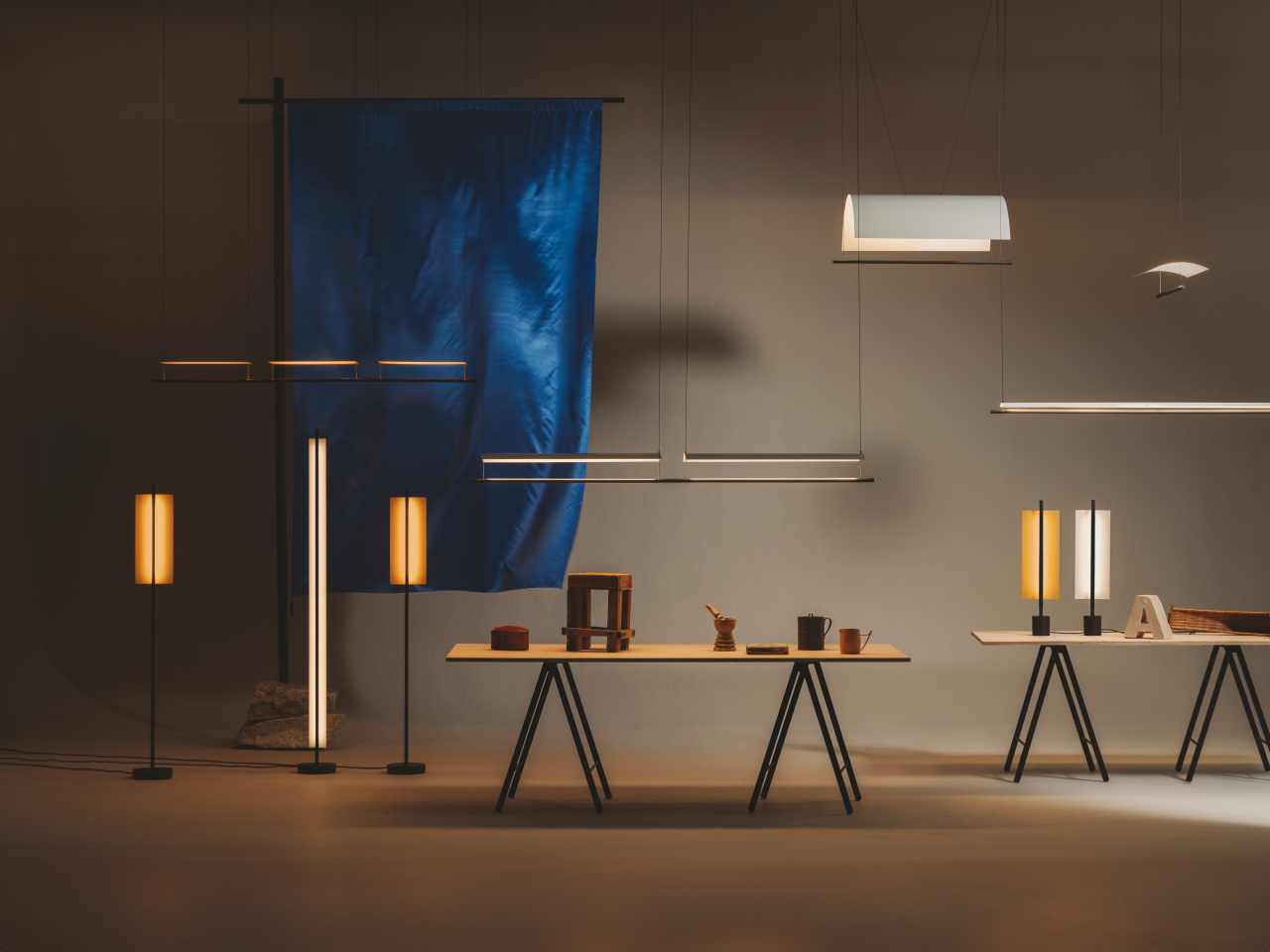
Lámina is a broad system that champions the virtues of reflected light through simple, honest forms that hide nothing and reveal everything.
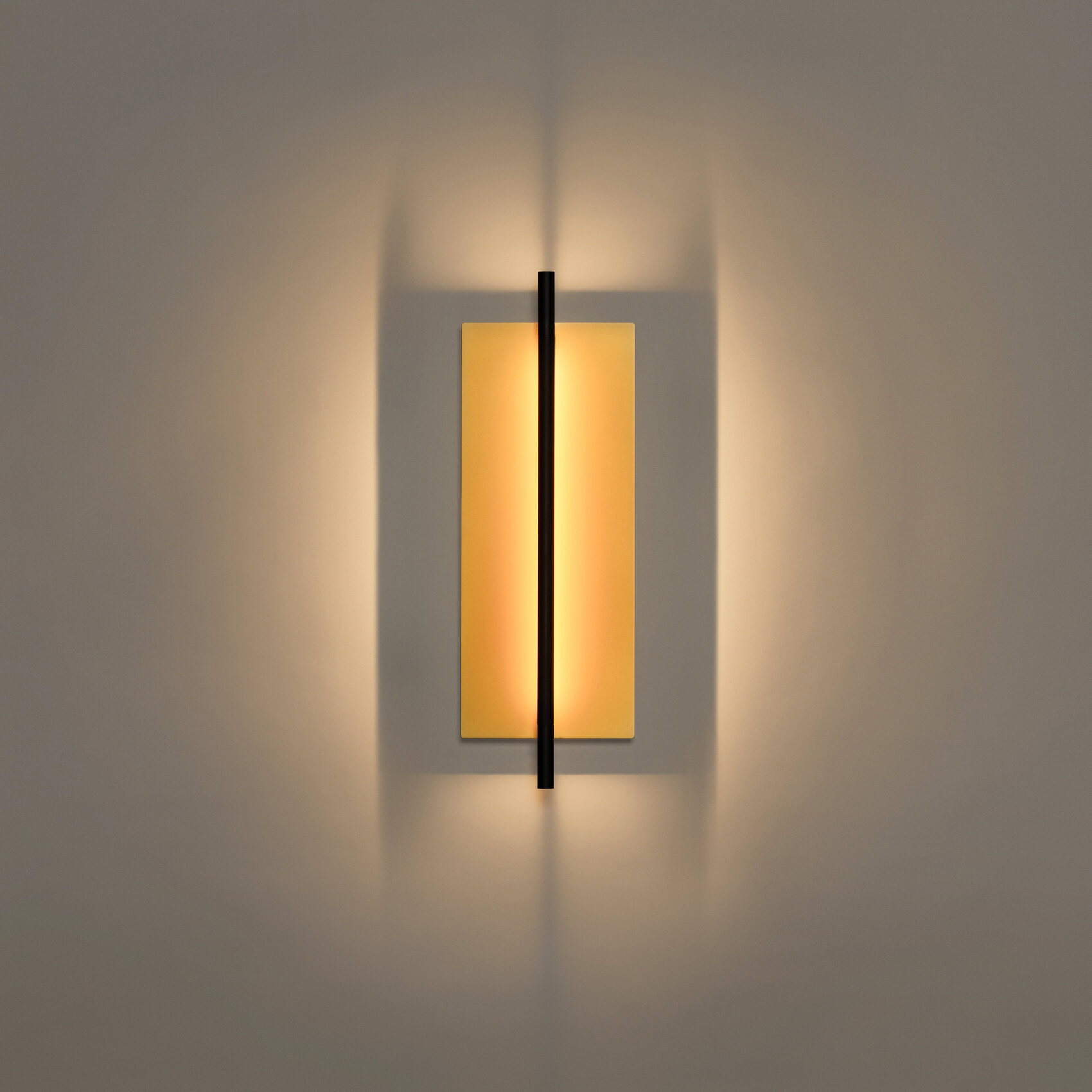
A line of light is projected onto a thin aluminum sheet, which redirects it in multiple directions, providing high visual comfort. This luminous principle was already celebrated in 1907 by Mariano Fortuny Madrazo with his now-iconic lamp of the same name, which the painter considered essential for achieving the perfect color.
Lámina first took flight as a collection of pendant lamps, before landing on floors, walls, and tabletops. The numbers that follow the name indicate the length of its shades: white and curved in its classic version, or with a straight edge and golden finish for the more daring.
This sculptural family strikes a balance between poetry and reason, formal purity and functional virtue, providing efficient illumination and a remarkably refined quality of light. The various categories complement each other, while the original pendant version continues to work on its own, as a linear system, or in grouped compositions that play with different dimensions and heights.
$2,300
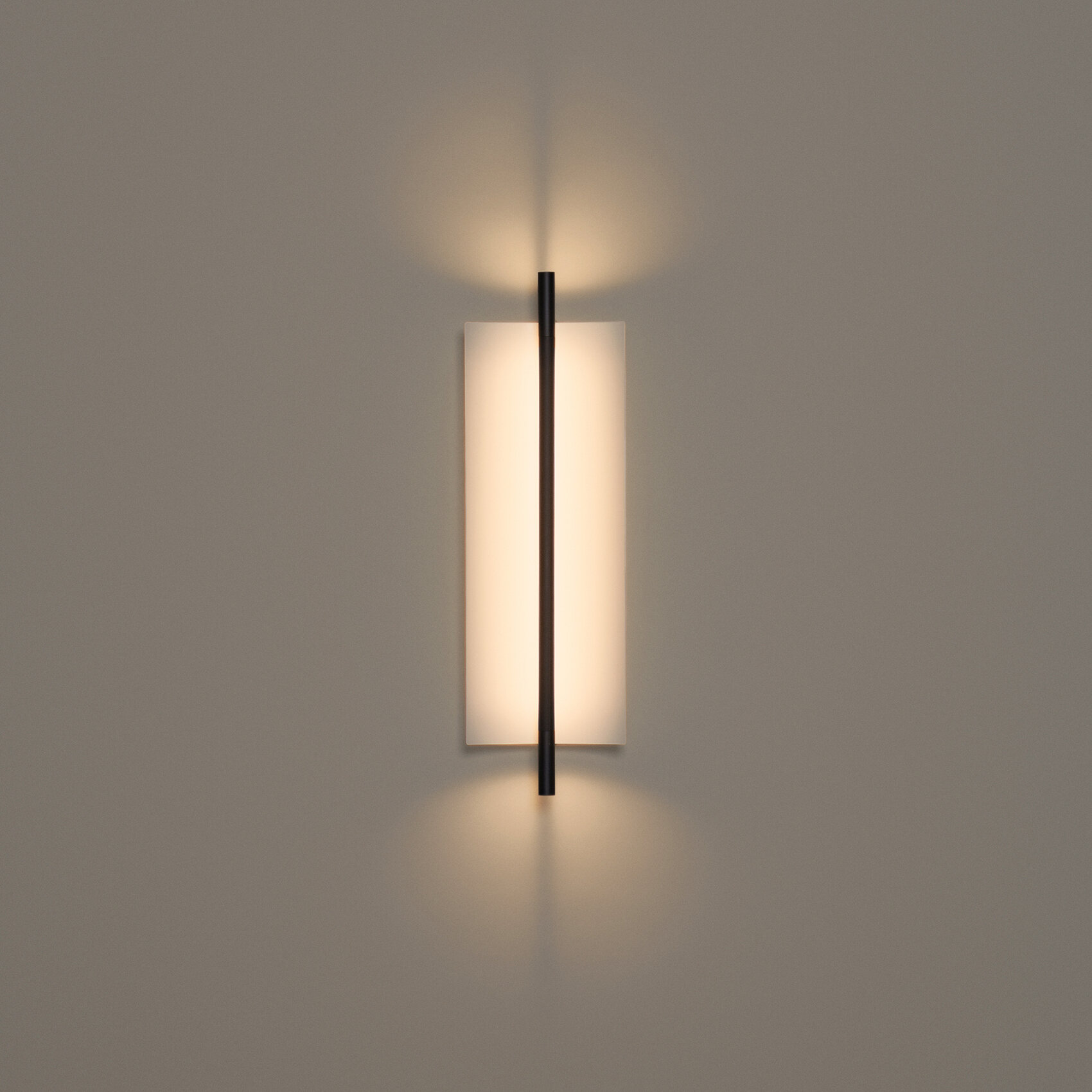
Lámina 45
Antoni Arola, 2023
$2,300
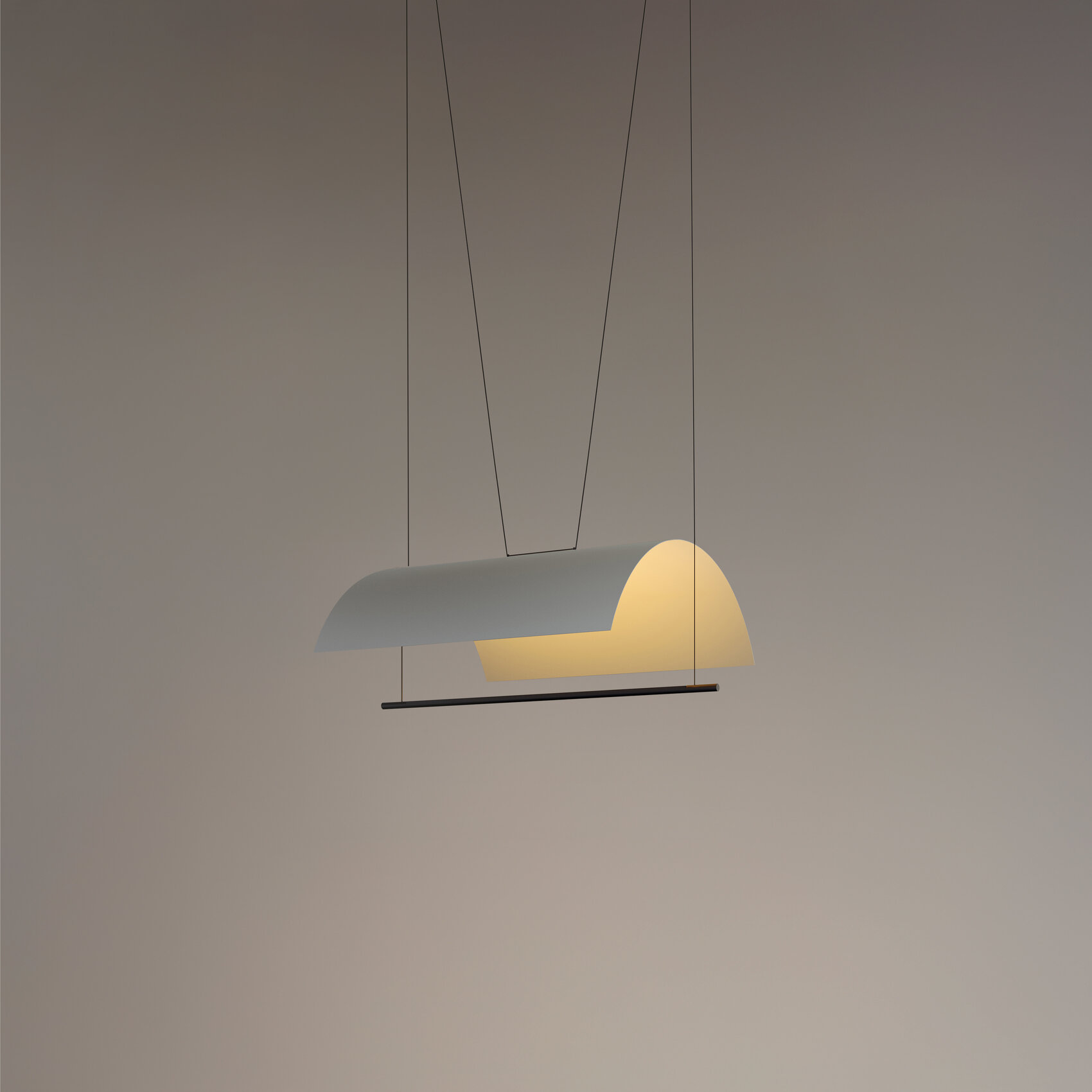
Lámina Mayor
Antoni Arola, 2018
$3,980
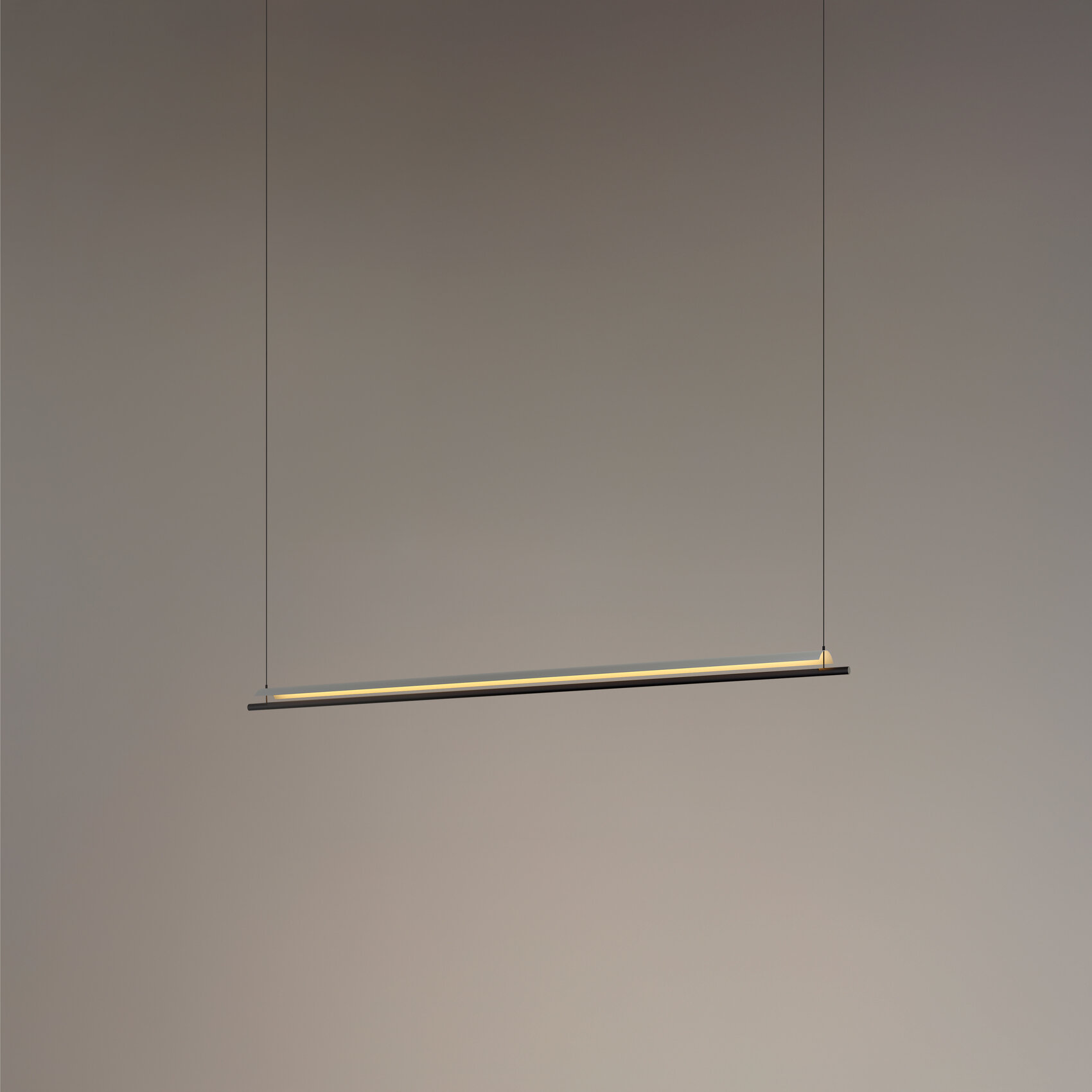
Lámina 165
Antoni Arola, 2018
$2,900
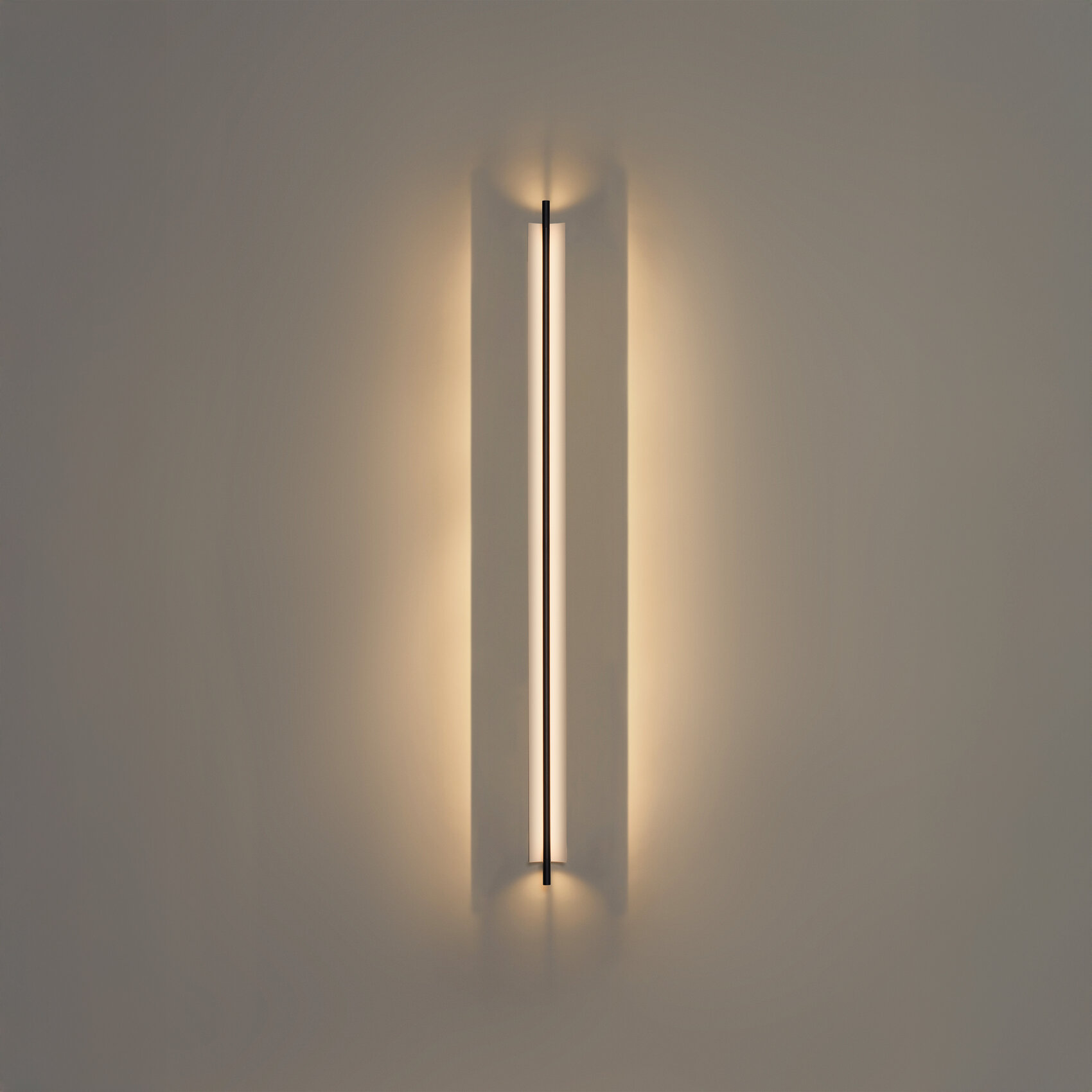
Lámina 165
Antoni Arola, 2023
$3,055
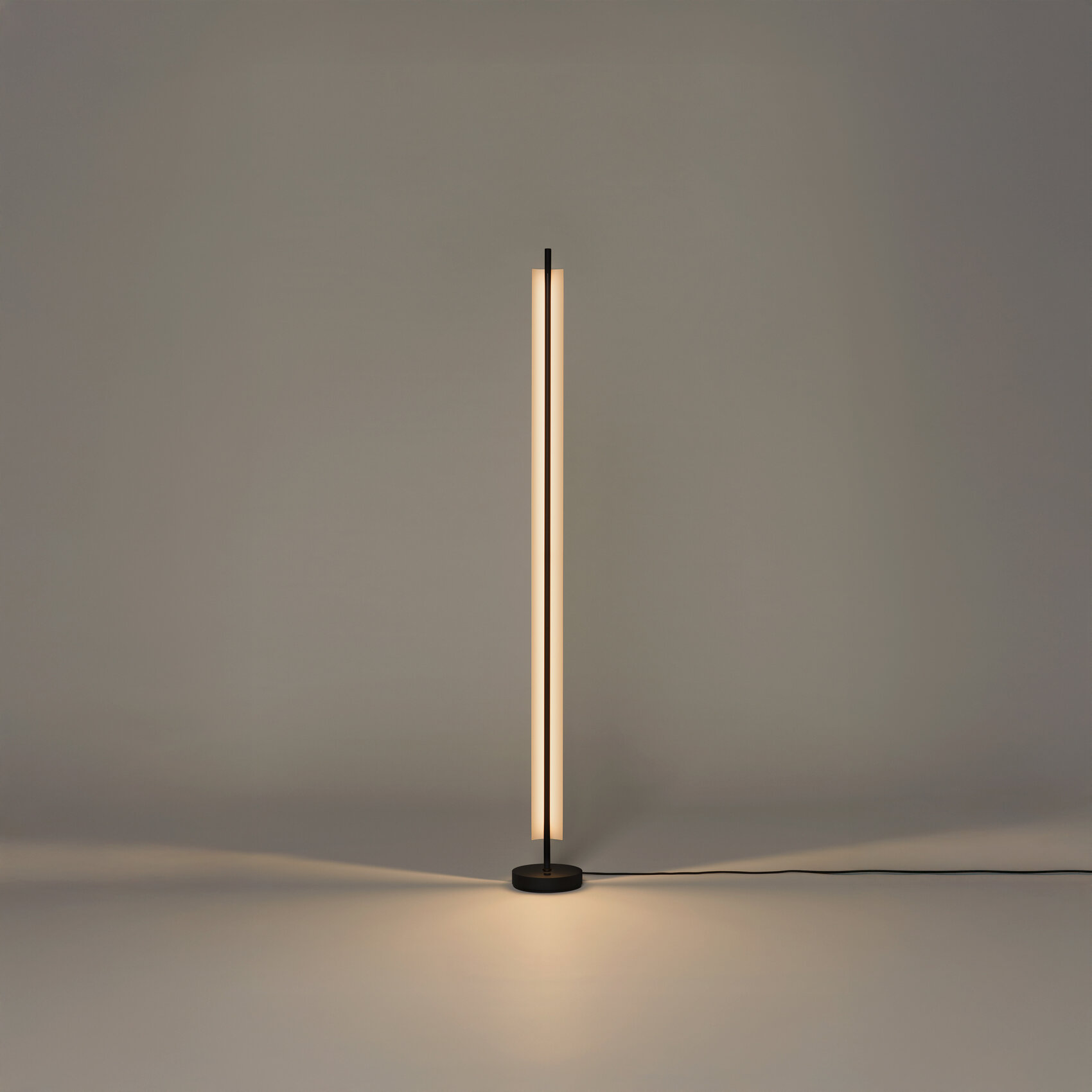
Lámina 165
Antoni Arola, 2023
$3,335
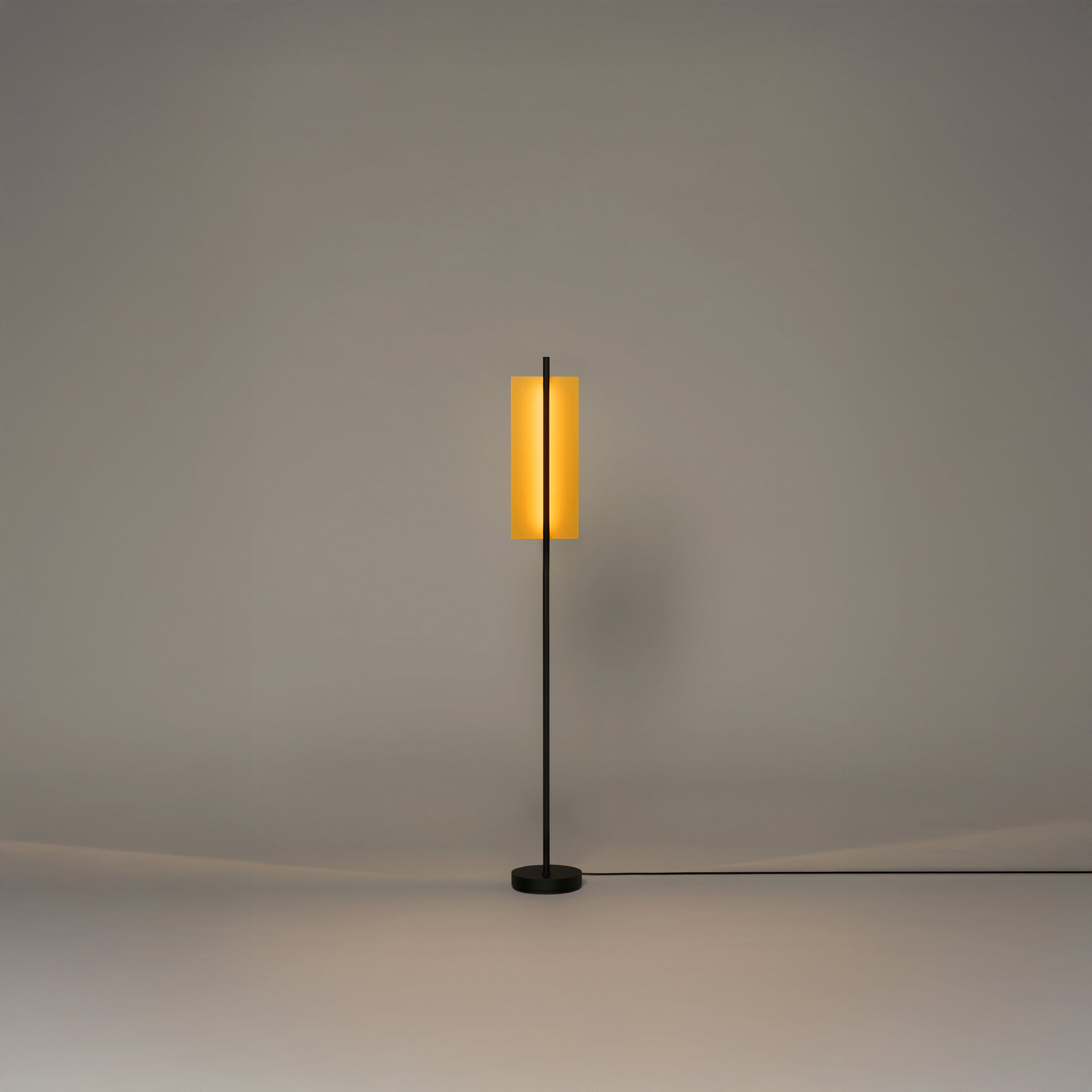
$3,010
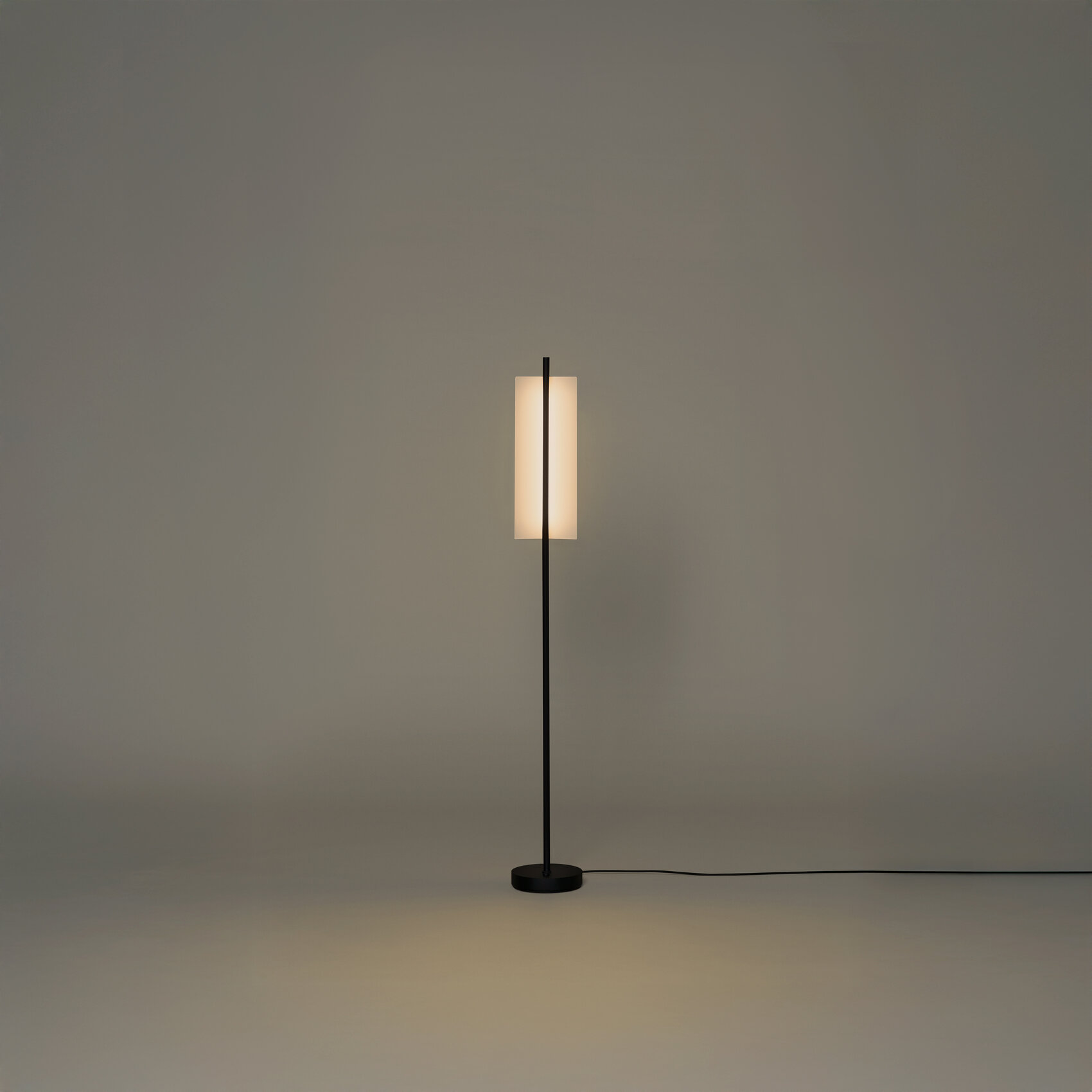
Lámina 45
Antoni Arola, 2023
$3,055
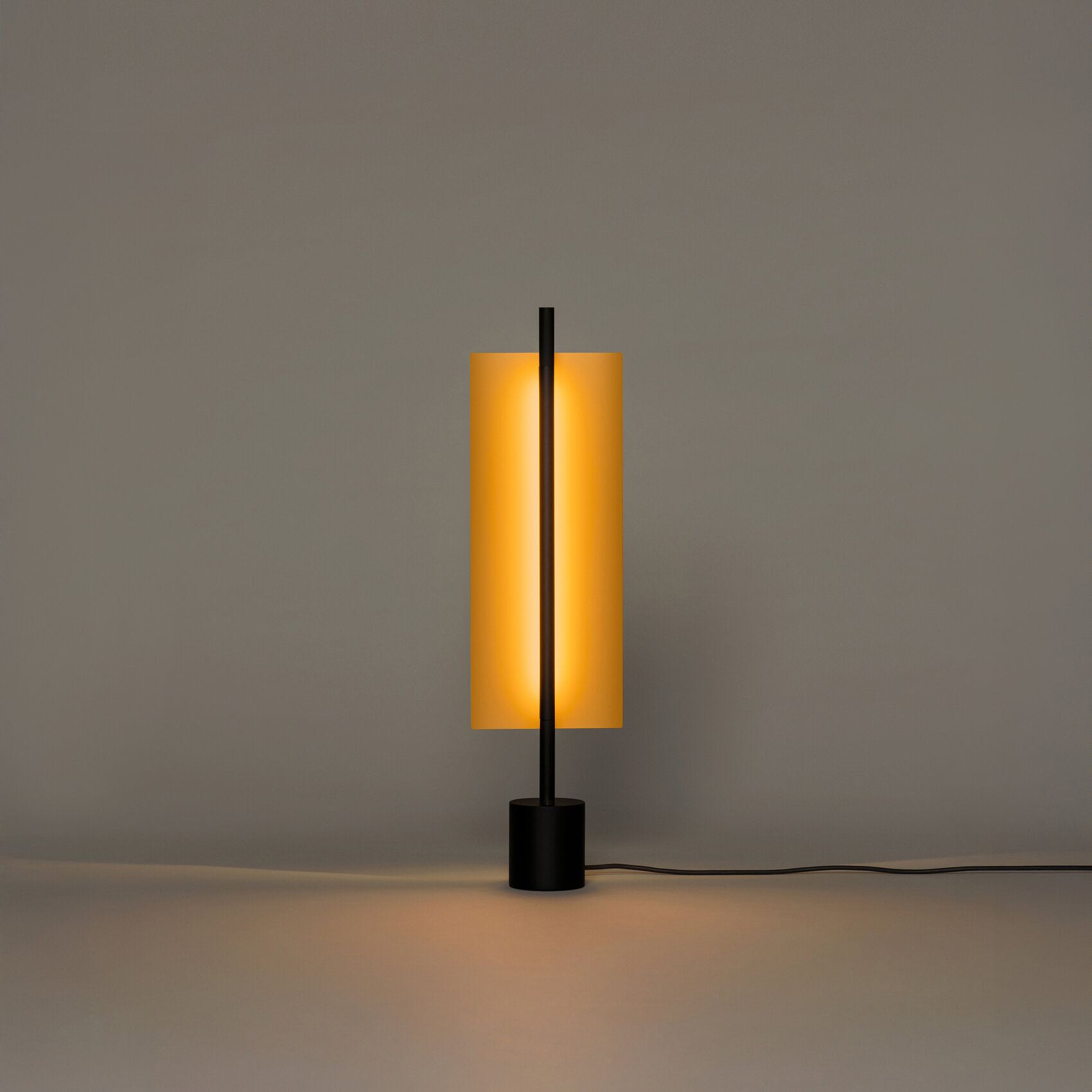
$2,750
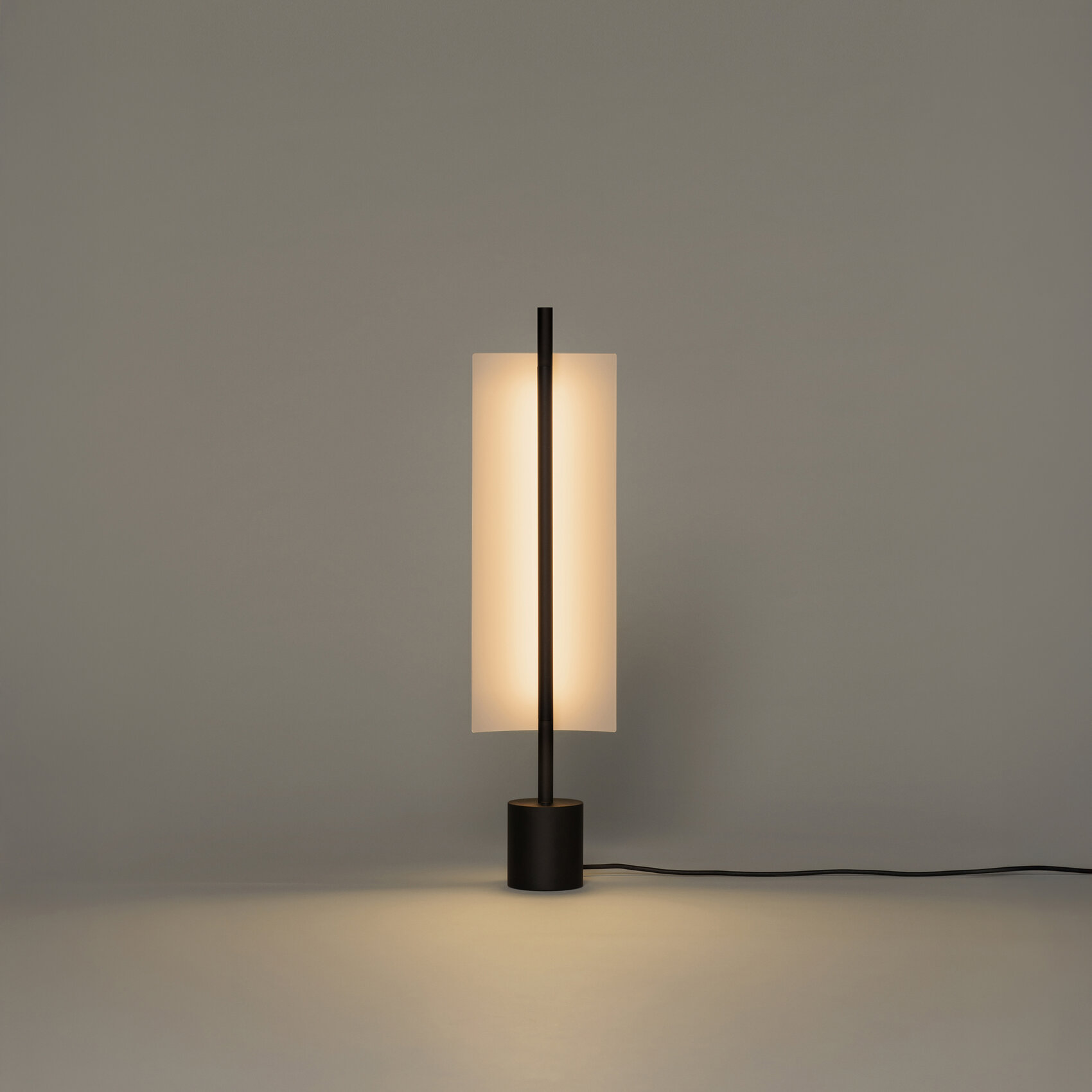
Lámina 45
Antoni Arola, 2023
$2,750
The ancestral meets the avant-garde
Highly technical structures dressed in handmade paper. Alone or in repetition, its luminous power can vary from a whisper to an exclamation.
“Tekiò has a quiet, unassuming presence that can fill large volumes of space with warm inviting light.”
Anthony Dickens
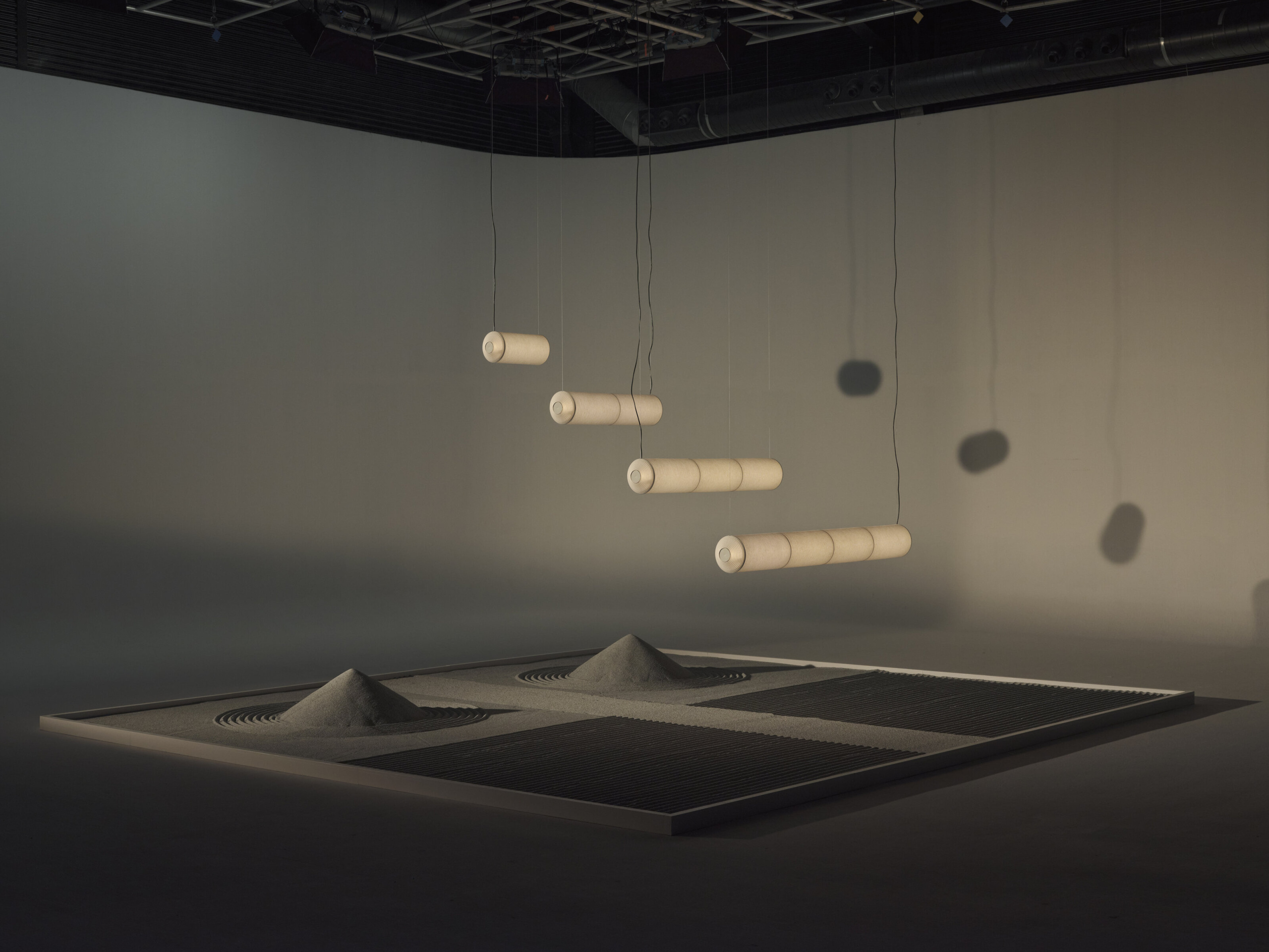
Tekiò Horizontal
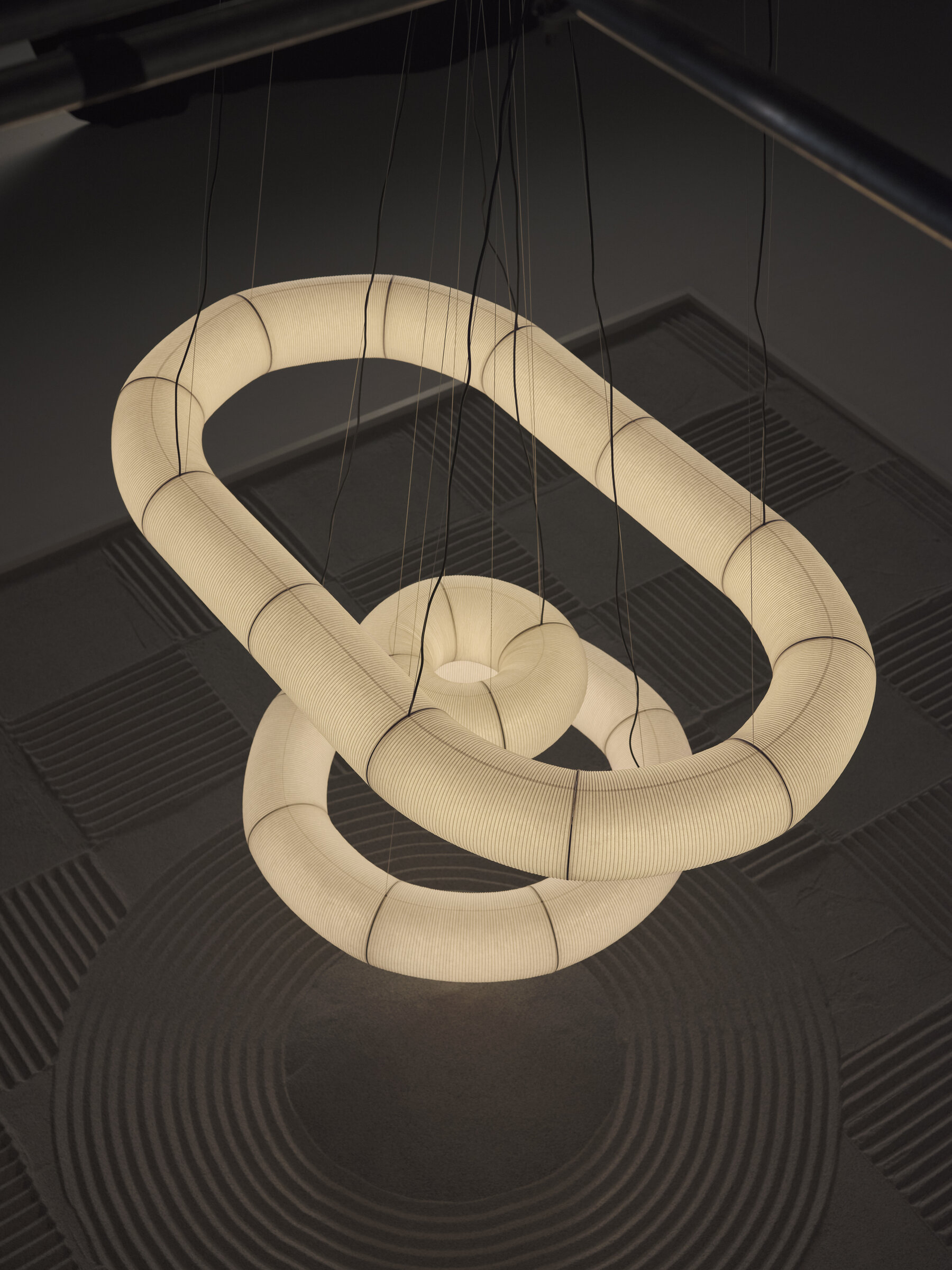
Tekiò Circular
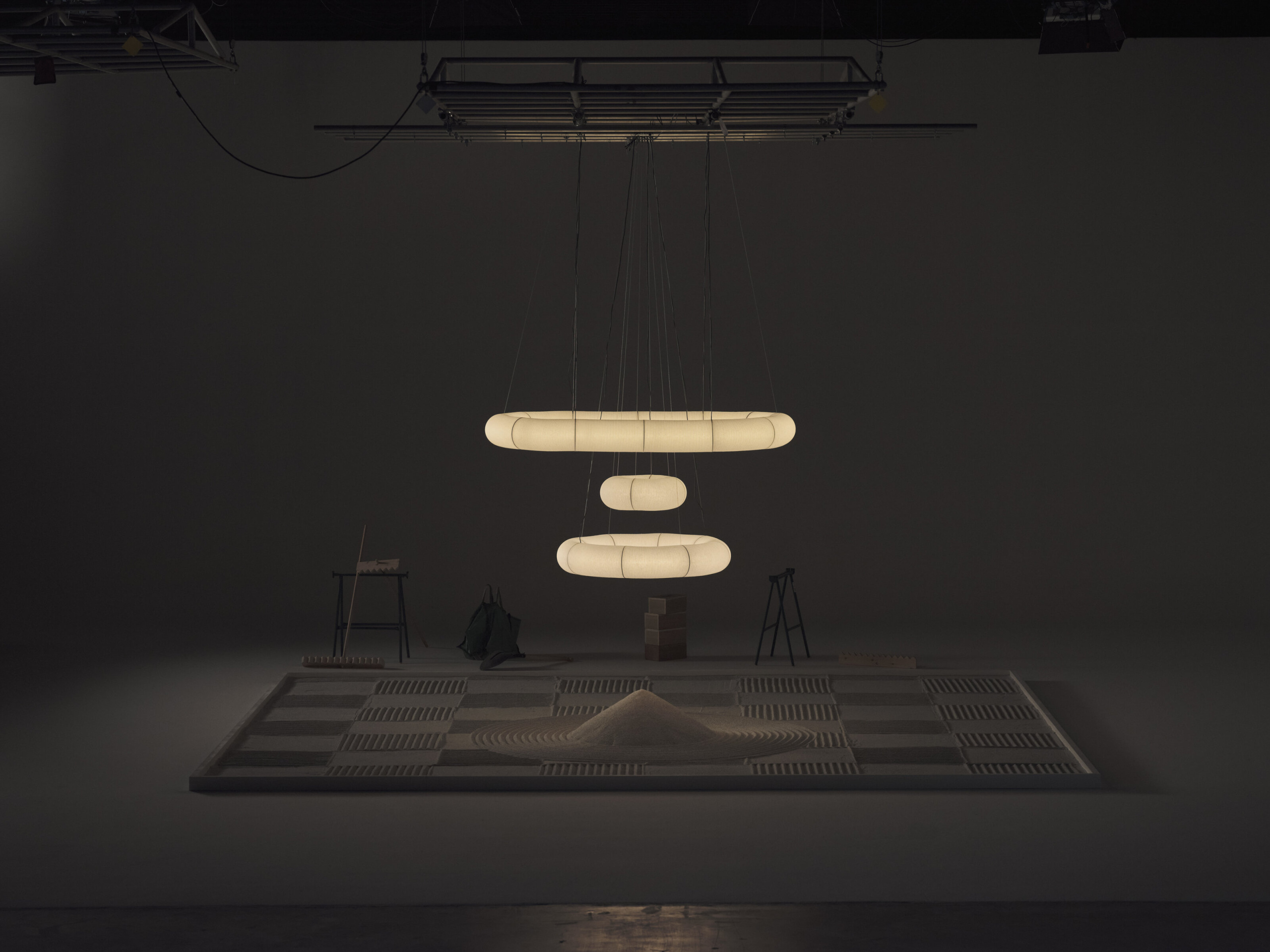
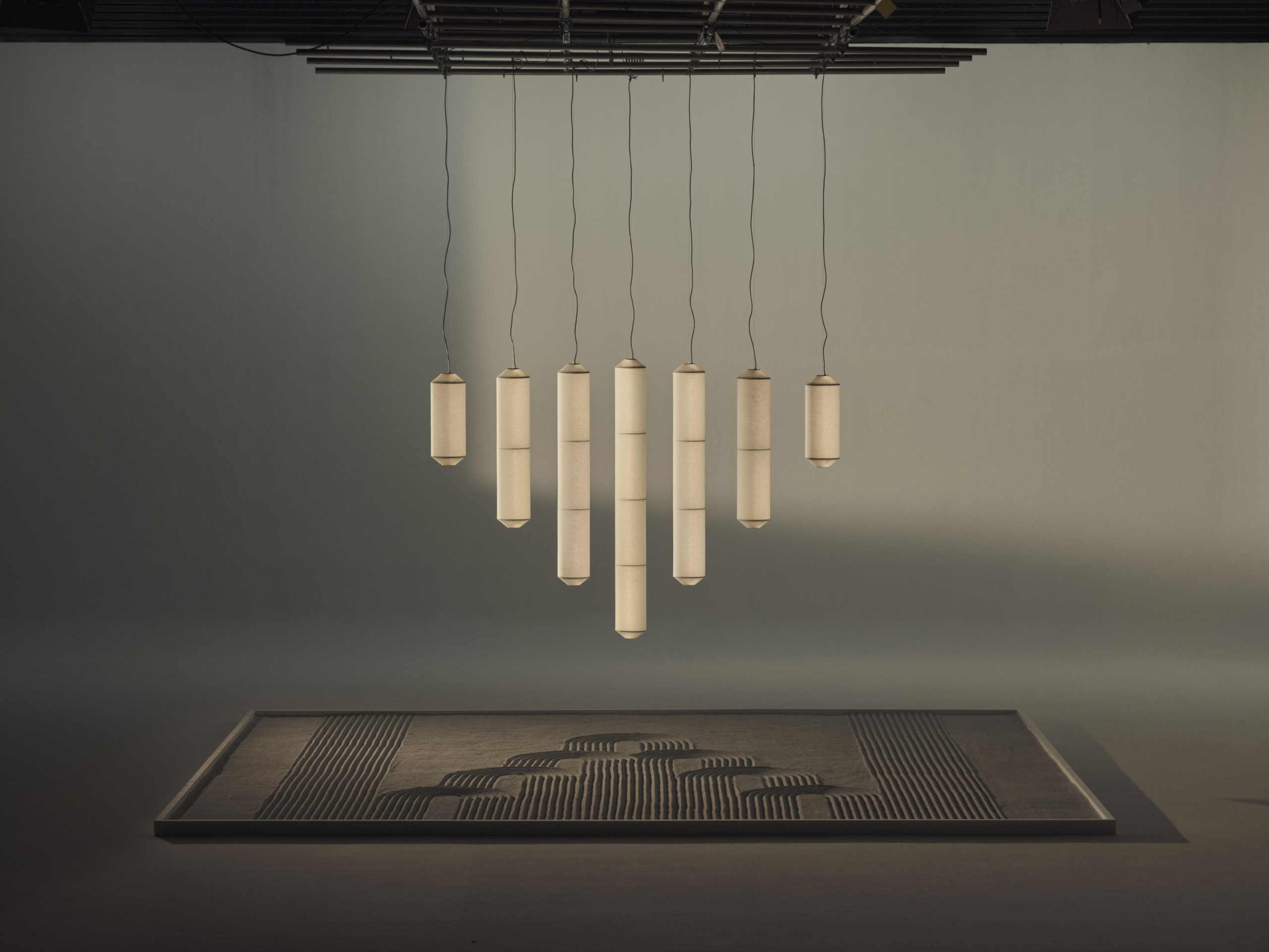
Cirio Vertical
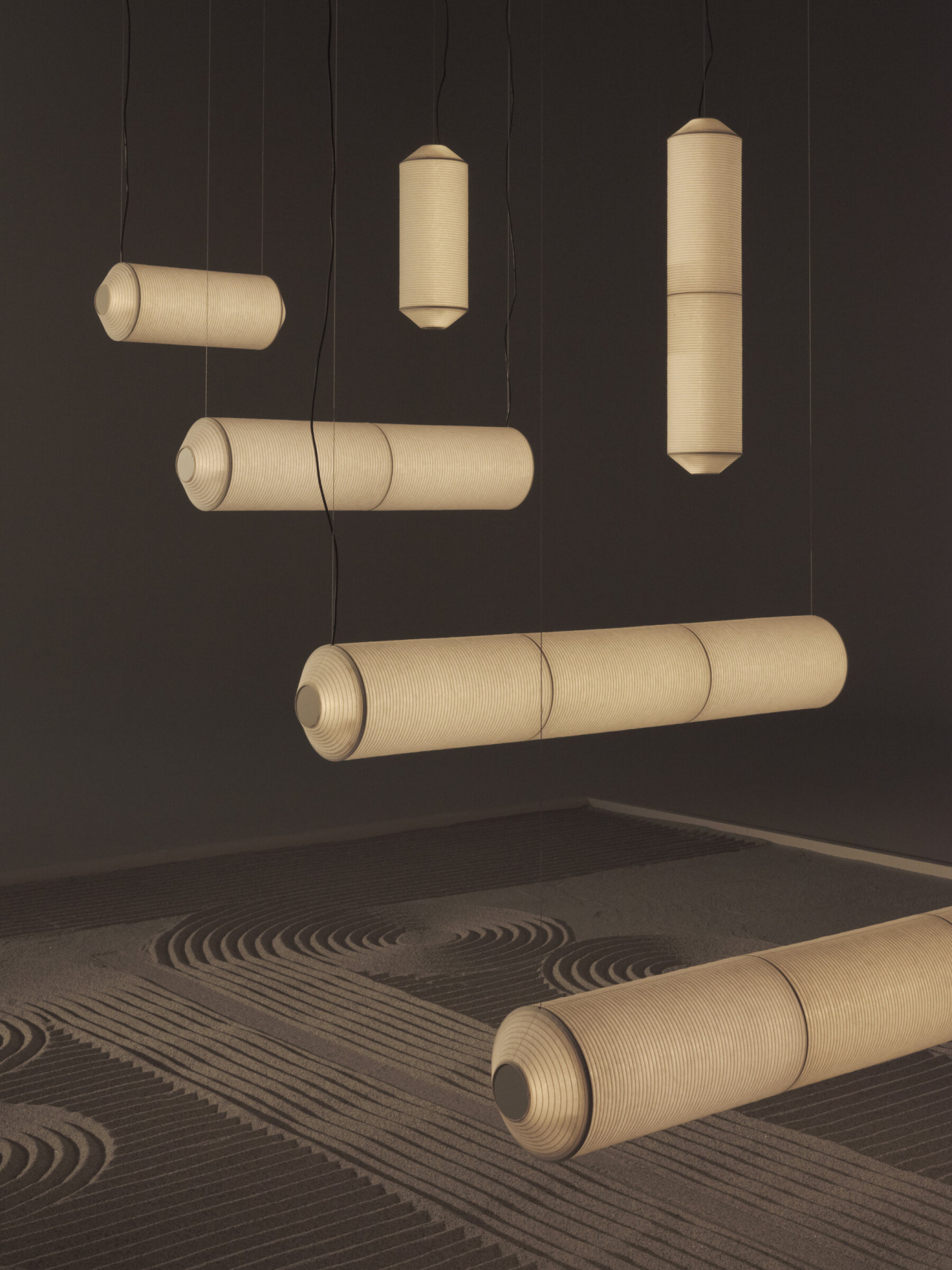
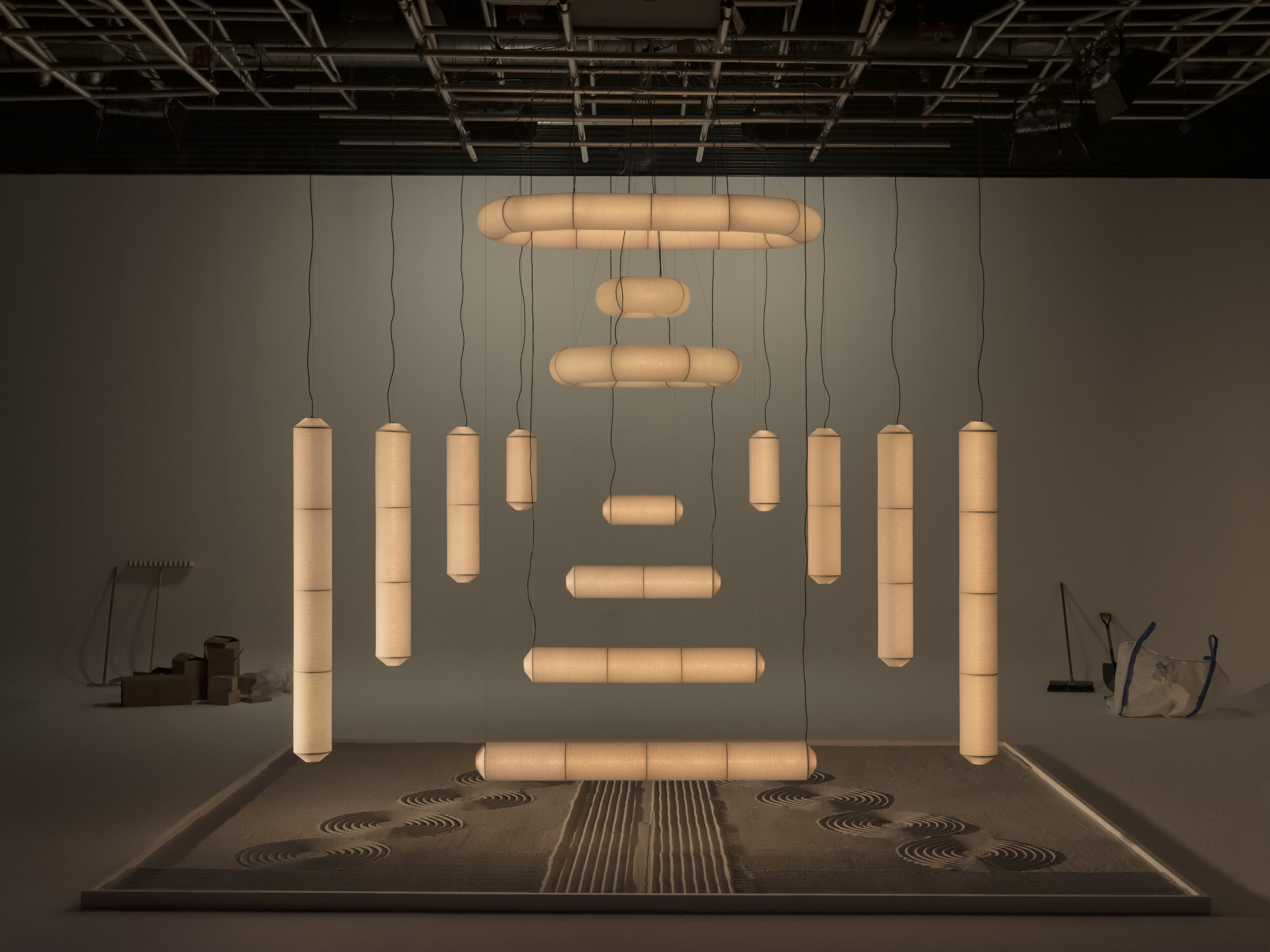
The possibilities of Tekiò
Tekiò, “adaptation” in Japanese, fuses ancient techniques with Dim to Warm LED technology, which allows the light to be regulated in intensity and colour temperature. Created by Anthony Dickens, this unique contemporary lamp is a contrast between the ancestral and the avant-garde.
Washi paper
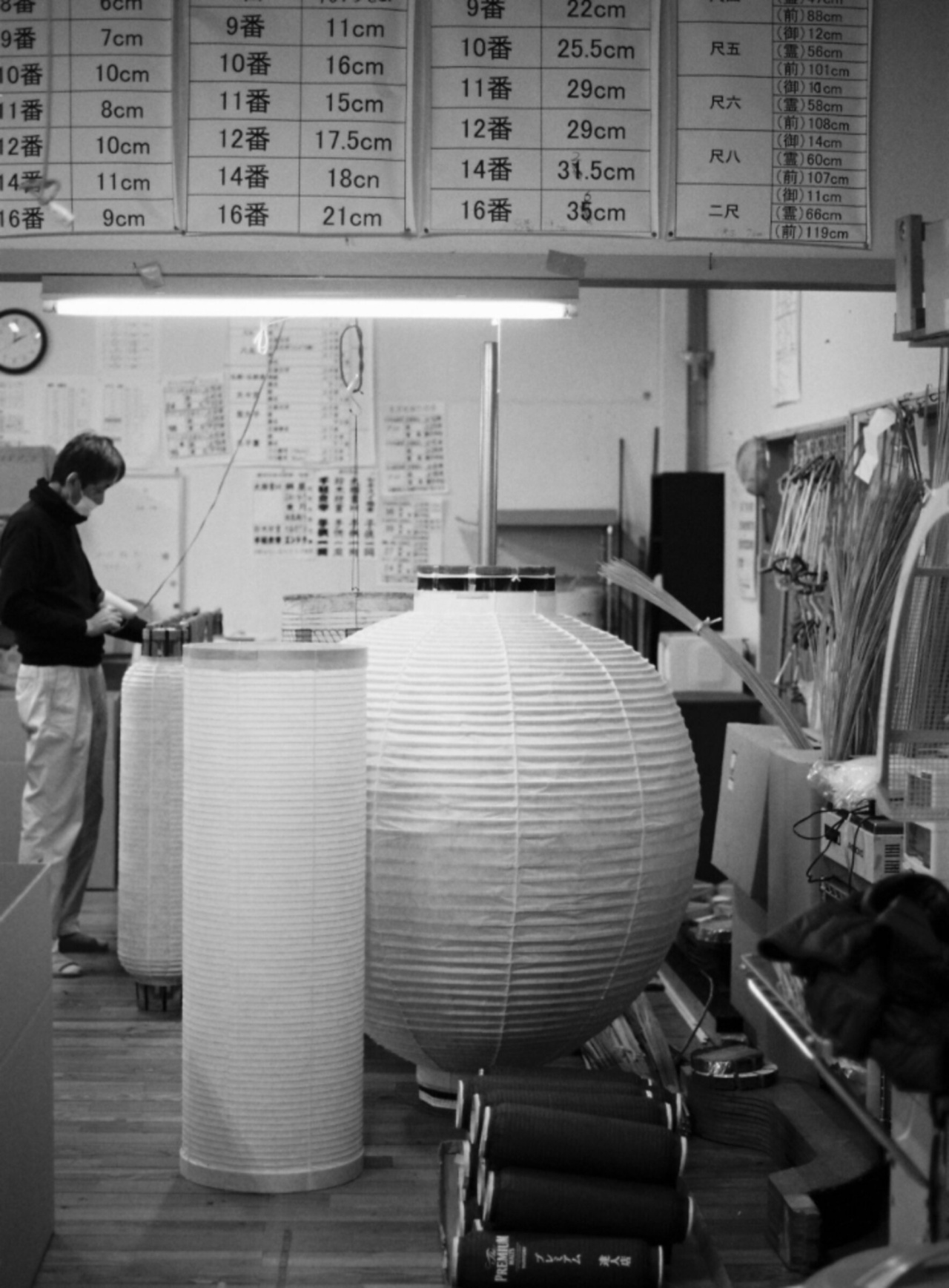
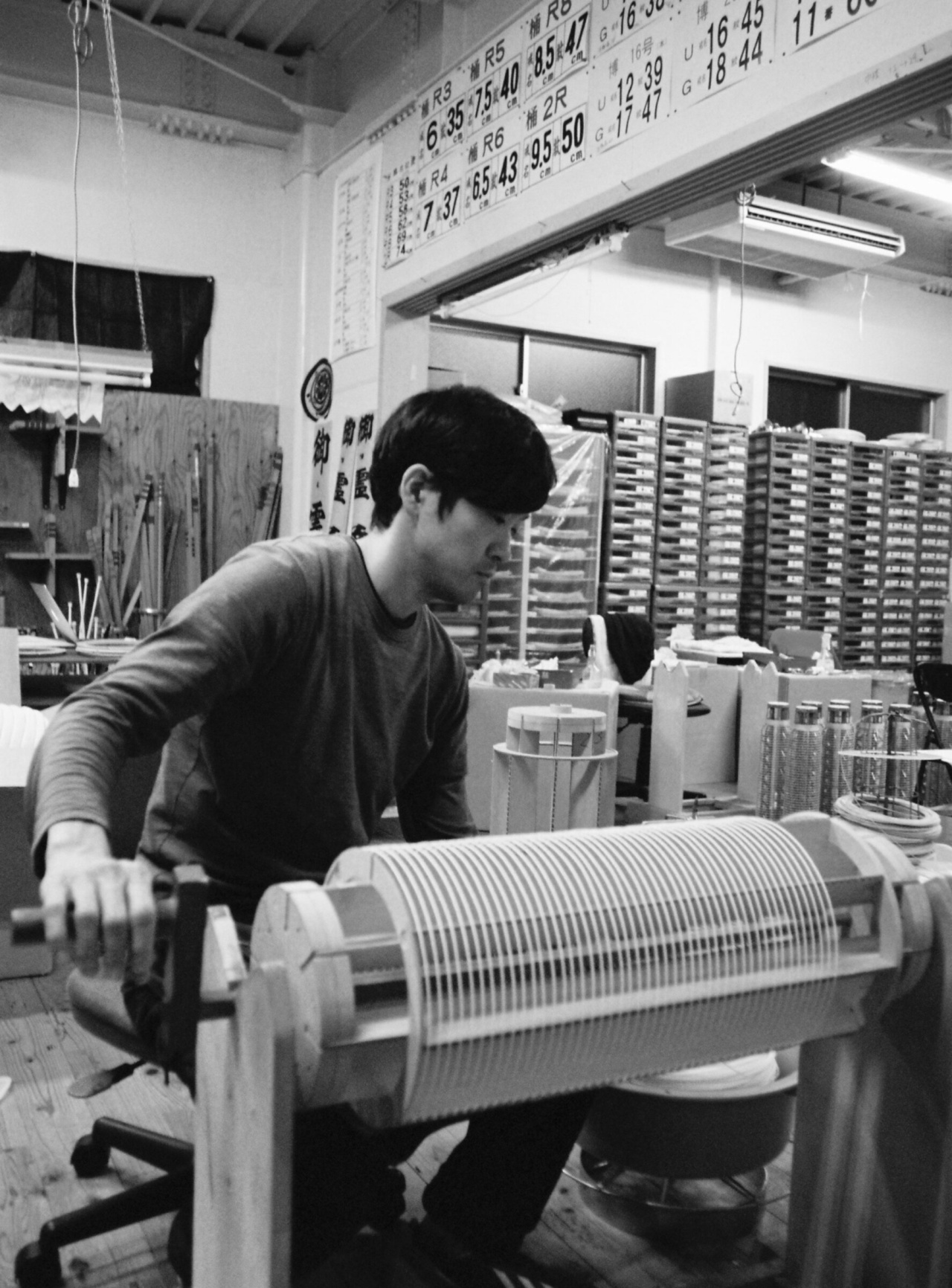
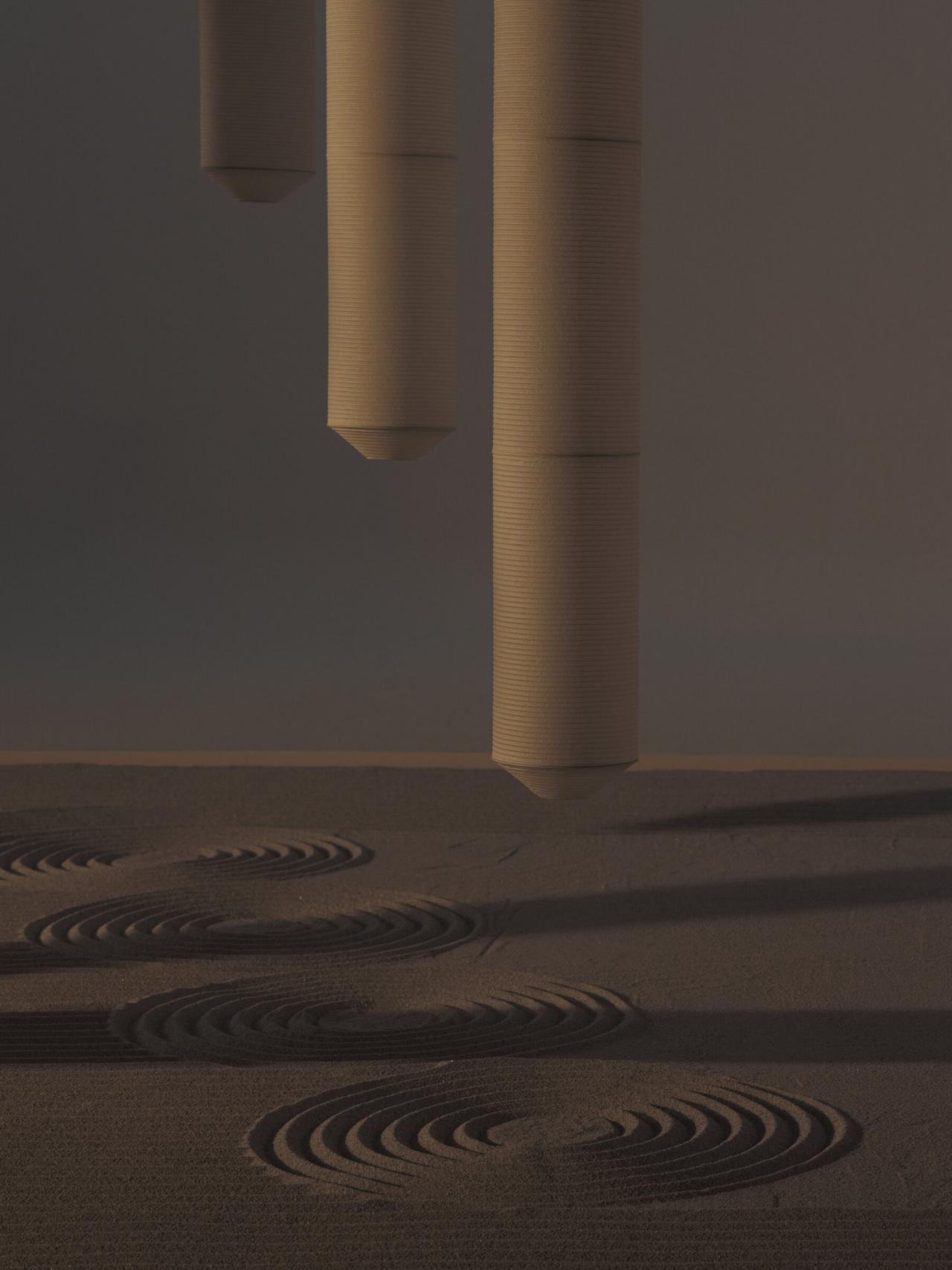
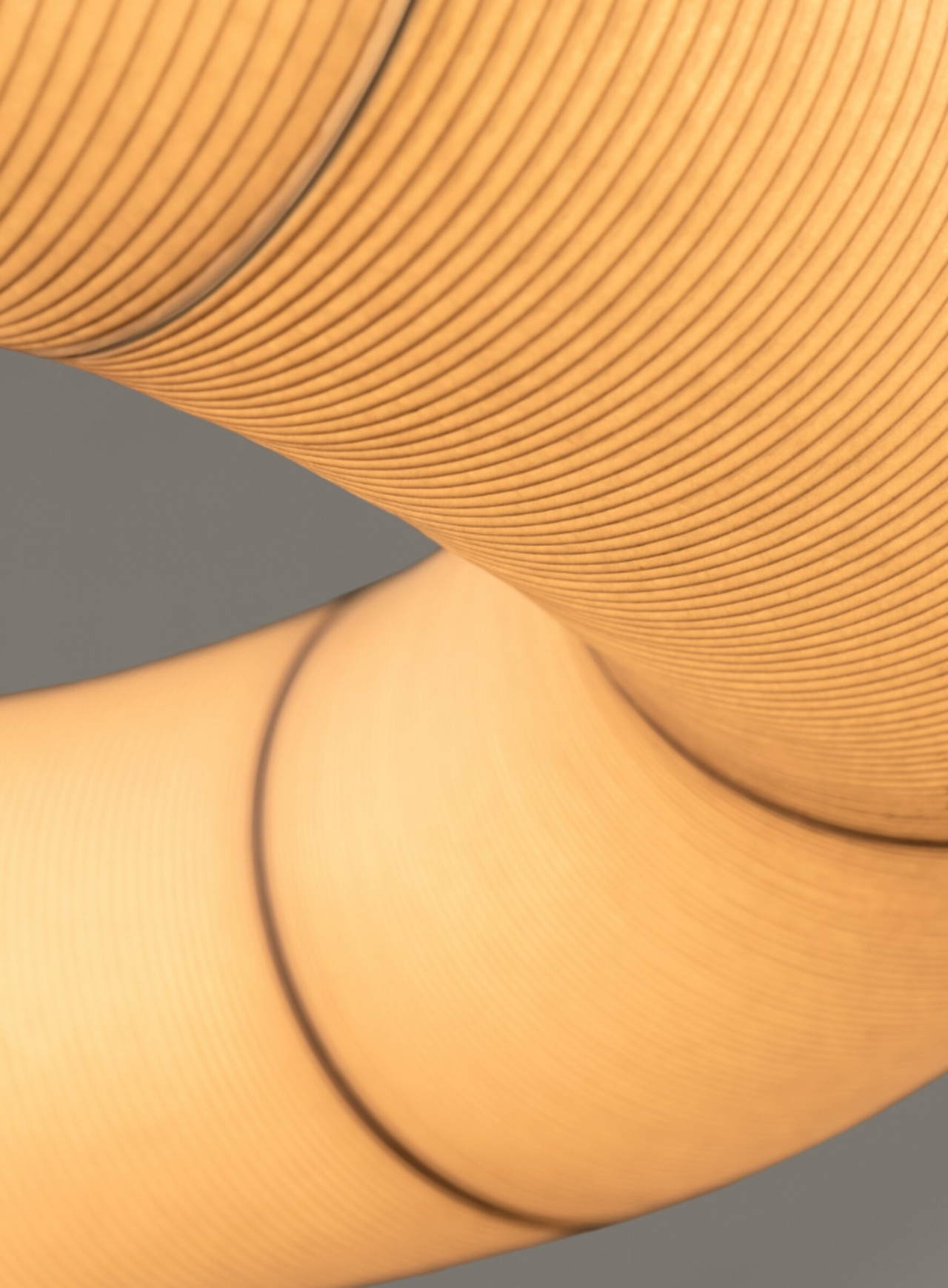
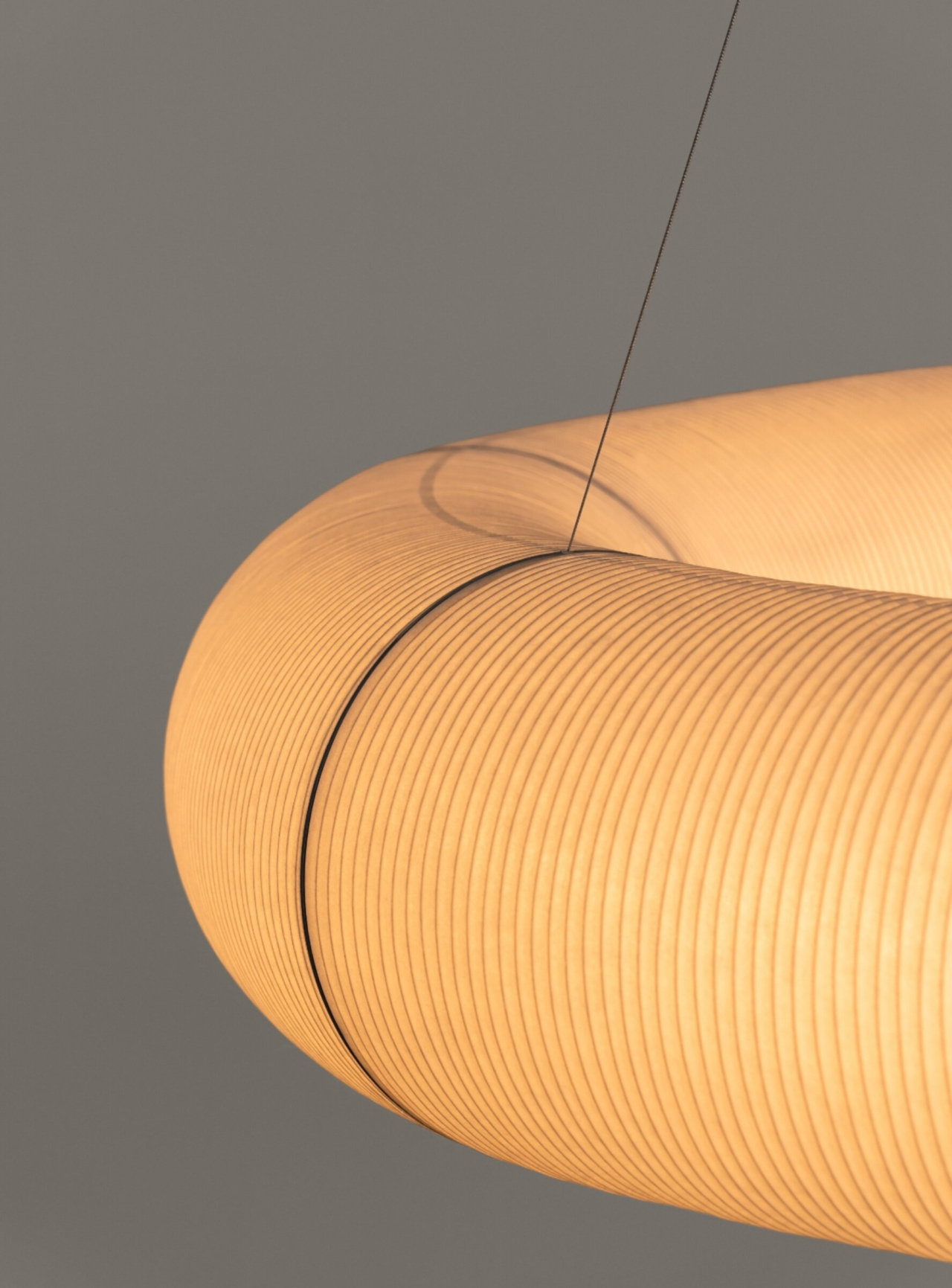
This paper, which dates back to the 14th century, has been declared an Intangible Cultural Heritage of Humanity by UNESCO. Washi is resistant and ductile, even malleable, and shades the light with texture, creating moments of pause.
Inside the making of our lampshades in Sargadelos.
“Washi is the best solution for two reasons. Firstly, its long fibers make it strong and flexible creating a resilient surface that lasts for decades and secondly the material is an excellent diffuser, scattering the light as it passes through to create its distinctive soft glow.”
Anthony Dickens
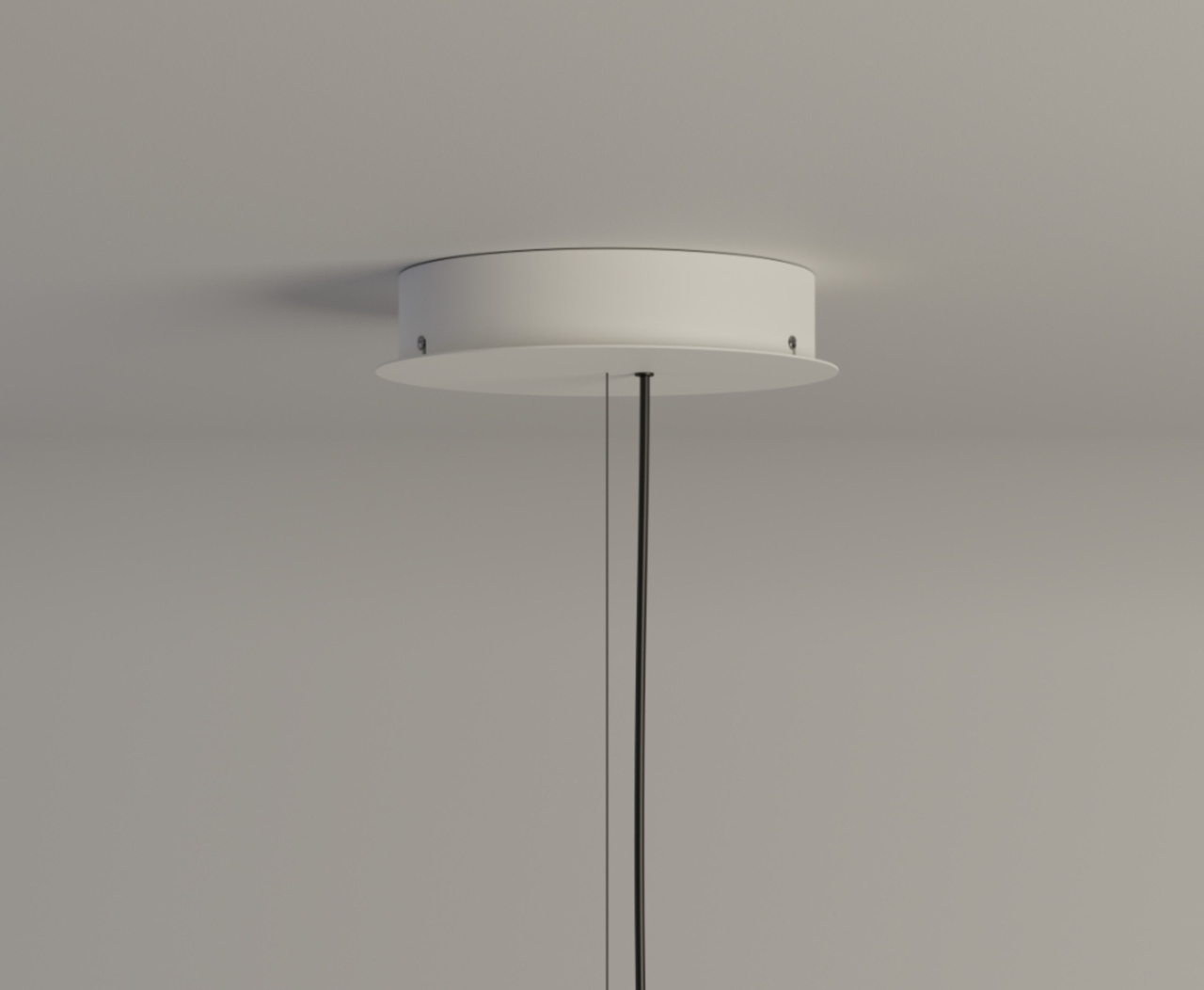
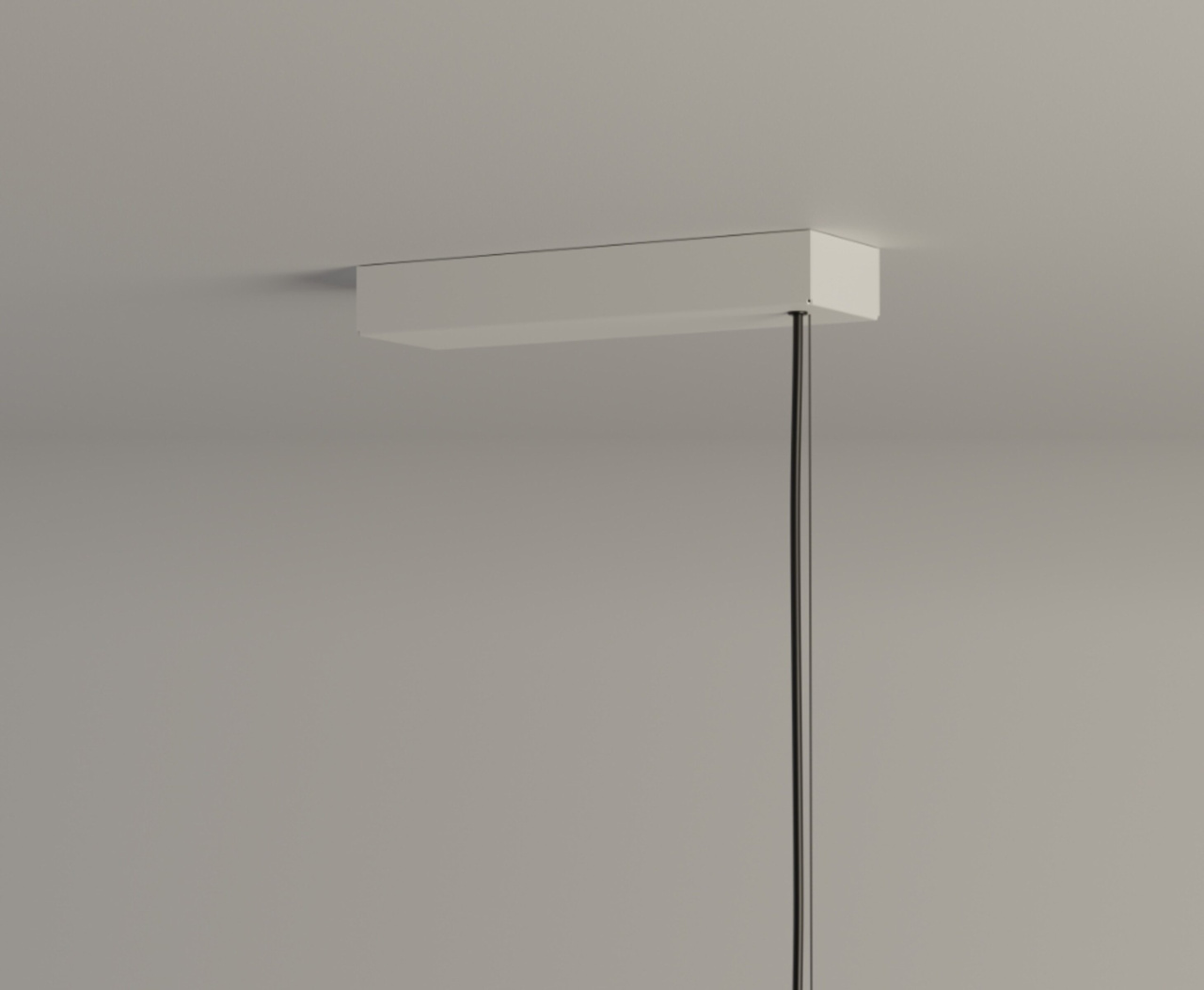
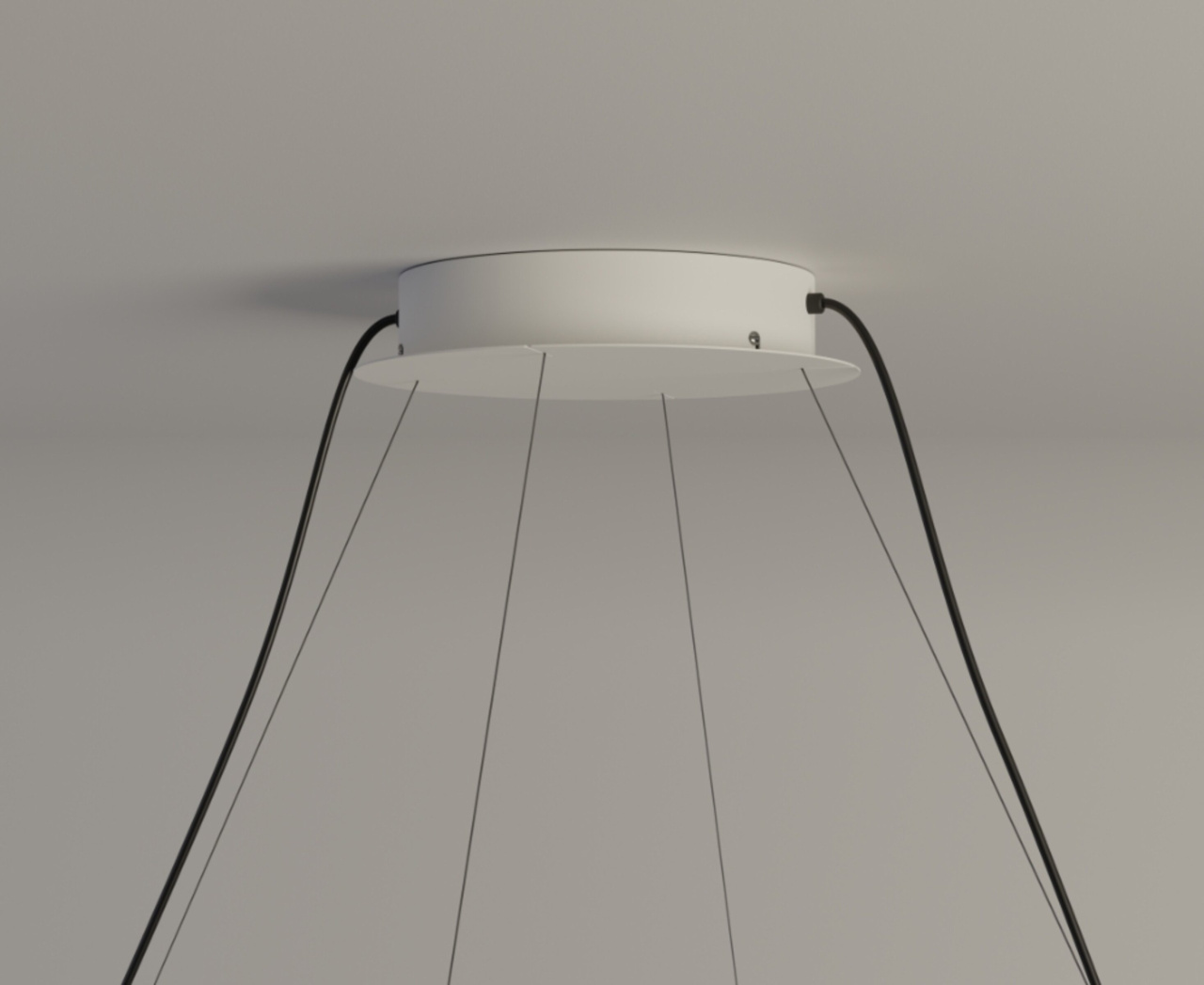
Suspension systems and canopies
Made in Japan
Inspiration for Anthony Dickens came from the traditional lantern made of Washi paper, which dates back to the 14th century. Santa & Cole, in search of expert hands, manufactures these paper shades in the Japanese city of Mito, one of the cities specialised in its production.